
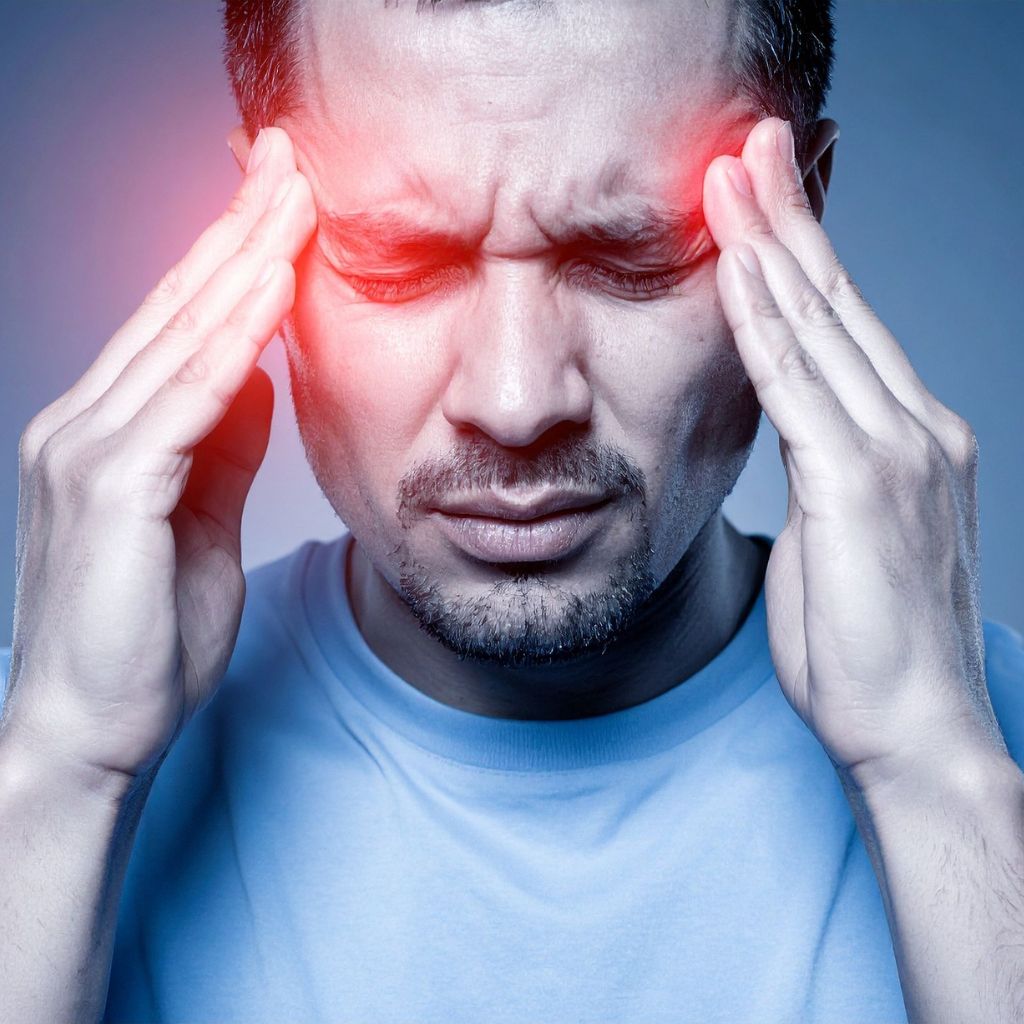
 A headache can be much more than a temporary inconvenience. For some people, headaches are occasional and manageable, while others experience recurring discomfort that affects work, sleep, concentration, and everyday activities. When headaches become a regular part of life, understanding the factors surrounding them can be an important step toward finding an individualized approach to care.
At VIM Acupuncture in Vero Beach, headaches and migraines are among the concerns addressed through acupuncture and holistic services. The practice takes a personalized approach, considering each patient’s symptoms and overall health rather than assuming that every headache has the same cause.
Not Every Headache Is the Same
The word “headache” describes a symptom rather than one specific condition. People can experience different types of headaches, and their symptoms may vary considerably.
Some headaches may feel like pressure or tension, while migraines can involve more intense pain and may occur alongside symptoms such as nausea or sensitivity to light and sound.
Because different types of headaches can have different triggers and characteristics, paying attention to patterns can be helpful.
Consider keeping track of when headaches occur, how long they last, what symptoms accompany them, and whether anything seems to make them better or worse. This information can give you and your healthcare provider a clearer picture of what you are experiencing.
Looking Beyond the Pain
A holistic approach considers more than simply where a person feels discomfort.
Daily habits and circumstances can sometimes coincide with headaches. Changes in sleep, hydration, stress, food intake, physical activity, or screen time may be relevant for some individuals.
This does not mean that one particular lifestyle factor is responsible for every headache. Rather, it highlights why an individual’s overall history can be useful when developing a treatment plan.
At VIM Acupuncture, Dr. Kim Netling combines acupuncture with additional holistic services and has extensive training in Functional Neurology. Her practice emphasizes understanding each patient’s unique symptoms and developing customized care.
How Acupuncture Fits Into an Integrative Approach
Acupuncture is a traditional practice involving the placement of very thin needles at specific points on the body.
At VIM, acupuncture is used for a variety of concerns, including neurological issues, headaches and migraines, stress-related concerns, pain, digestive issues, and other conditions.
Rather than using an identical treatment for every person experiencing headaches, an acupuncture treatment plan can be individualized according to the patient’s history, symptoms, and goals.
VIM also offers needle-less approaches for individuals who may be uncomfortable with needles.
Paying Attention to Your Patterns
One useful step you can take between appointments is simply becoming more aware of your symptoms.
A headache journal does not need to be complicated. You might record the date, approximate time, duration, severity, associated symptoms, sleep the previous night, and anything unusual that happened that day.
Over time, patterns may become easier to recognize.
However, a headache journal should complement—not replace—professional evaluation.
If headaches are new, unusually severe, occur after an injury, or are accompanied by concerning neurological symptoms, seek appropriate medical attention promptly.
A Personalized Path Forward
Recurring headaches can be frustrating, especially when they begin interfering with the activities you enjoy. There is not necessarily one approach that works for everyone, which is why individualized care can be valuable.
At VIM Acupuncture, the goal is to understand the individual behind the symptom and develop a personalized plan using the services that are appropriate for that person’s needs.
If headaches or migraines have become a recurring part of your life, learning more about your symptoms and discussing your options with a qualified healthcare professional can be a worthwhile first step. An integrative approach may provide another perspective as you work toward greater balance and wellness.